
A visible route from waste source to recovered material.
Traceability is built through the work itself: separated collection, digital weighing, controlled sorting, recycling relationships, and reporting that connects the steps.
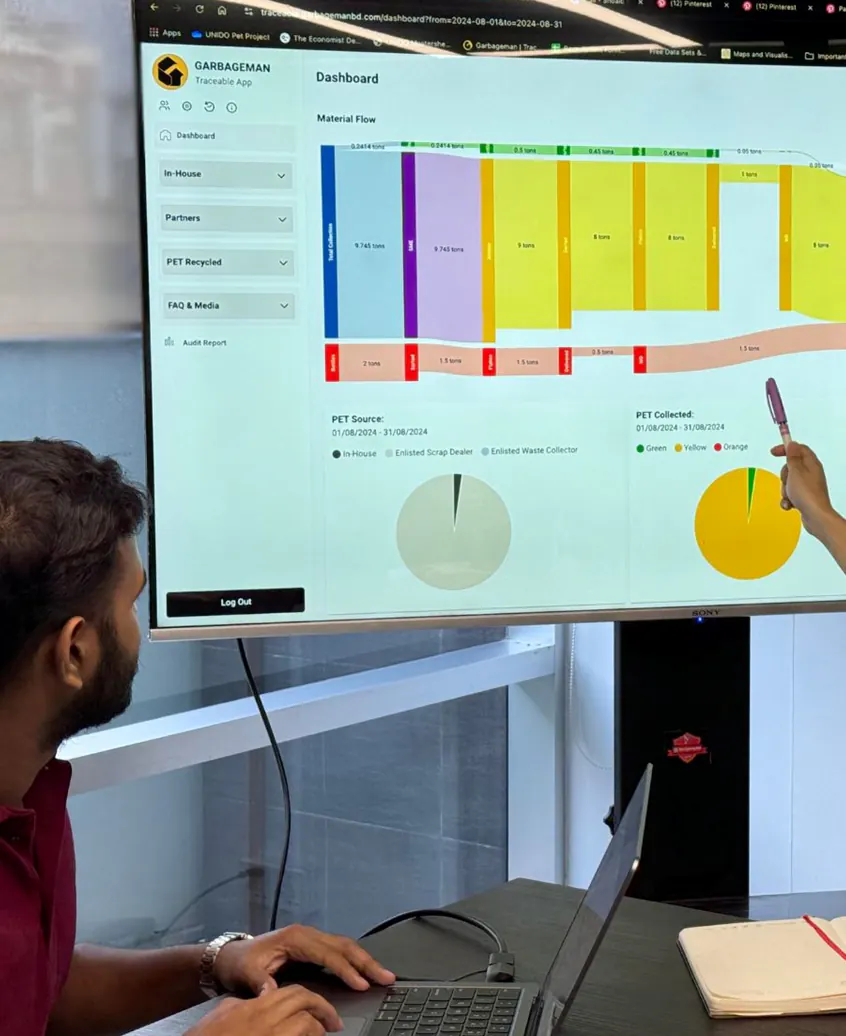
Five operating steps hold the route together.
- 01
Audit and onboarding
A site walk, waste mapping, baseline audit, operational plan, service agreement, SOPs, training, bins, and signage establish the system.
- 02
Scheduled collection
Daily, weekly, or on-demand pickups keep separated streams distinct while every movement is weighed and logged.
- 03
Sorting and recovery
Controlled sorting, quality checks, and safe handling at the material recovery facility protect material value.
- 04
Compliant recycling
Recovered materials move to vetted recycling partners through material-specific handling and traceable supply relationships.
- 05
Reporting and action
Monthly waste-by-stream reporting, recovery indicators, pickup records, photo logs, and ESG narratives make progress visible.
Traceability that can stand up to review.
Records stay close to the physical flow so internal teams and external reviewers can understand what happened and where material moved.
Reported cumulative results, 2023–2025.
These figures reflect the approved service-deck record. They are presented with their reporting period so scale does not lose context.
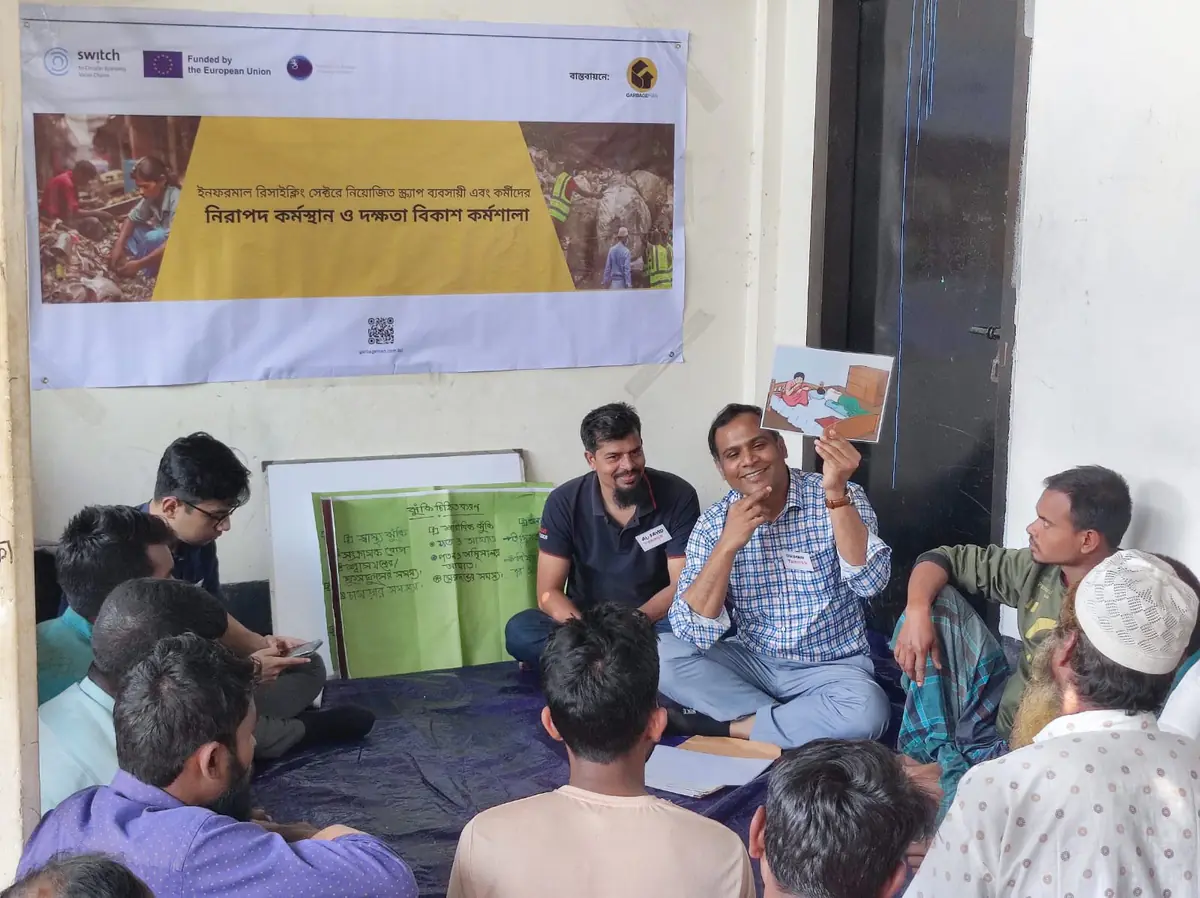
Ethical standards belong inside the recovery route.
Garbageman’s service model connects environmental performance to safer, more accountable material handling and inclusive supply relationships.
- Zero tolerance for child laborA clear boundary across the value chain.
- Safe working practicesOperational care for the people handling material.
- Licensing and certification recordsDocumentation remains part of partner verification.
Begin with a baseline you can improve.
A site audit maps current streams and identifies the operating changes that make recovery and reporting possible.